Most Southern African Mines Are Running Below Their Potential.
The Gap Isn’t Equipment.

The Expert

Full name: Jaco Strydom
Job title: Business Development Executive: Digital Industries: IS3 – AVEVA Solutions
Which countries or operations you’ve worked with most closely in Southern Africa:
- South Africa & Zambia
- Various mines (Gold & Copper)
- Cement plants.
About Jaco
Helping customers to achieve digital transformation across various industries by connecting industry challenges with intelligent operations solutions, building executive partnerships, and helping customers unlock measurable improvements in productivity, sustainability and operational resilience.

One of the biggest opportunities in mining today is in unearthing the value that already exists within current operations.
I’ve seen many mining operations invest in modern processing plants, automation systems and instrumentation. On paper, they have the capacity to produce more “output” at higher recovery rates and lower energy intensity. But the reality is: performance tends to fall short of design capability.
Lack of equipment is rarely the cause. Instead, operations are often constrained by 3 things:
- fragmented information,
- delayed visibility and
- inconsistent decision-making.
Operations run at about 85% of their potential throughput because operators rely on outdated data instead of current conditions. Maintenance teams frequently schedule interventions based on fixed intervals rather than actual equipment health. This causes them to spend excessive time compiling spreadsheets instead of analysing trends for improvement.
What results is a performance gap that highlights the difference between an asset’s potential and its actual output. Mines that close this gap can create value quicker than those that depend solely on capital expansion, especially as demand for various minerals rises.
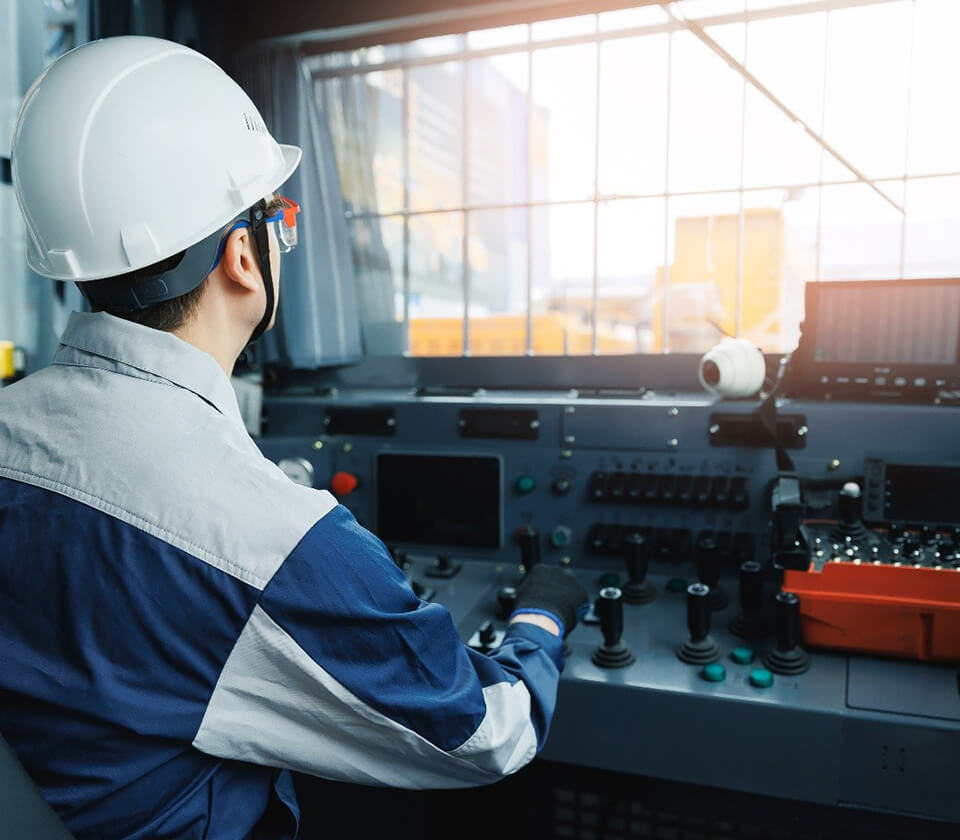

Sibanye Gold worked with IS³ to consolidate fragmented operational data across shift teams into a single live view. The result was faster exception response and measurable improvement in shift-to-shift consistency — without capital expansion.
How Do Good Mining Operations Look?
What high-performing mining operations are doing isn’t necessarily having better equipment. They’re making better and faster decisions, consistently.
The mining operations that are winning have clear visibility from the plant floor to the executive level, with everyone working from the same operational information.
Instead of reviewing yesterday’s performance, winning teams understand what is happening now and what is likely to happen next.
They focus on production planning that’s informed by live operational constraints. Not assumptions.
Metallurgical performance is continuously monitored and adjusted. Not reviewed after losses have already occurred.
Perhaps the biggest difference is organisational alignment.
Winning teams, from operations to maintenance to engineering and even management, prioritise collaboration, supported by trusted data.
This creates a culture of continuous improvement where incremental gains compound over time.