
What's Next for Food and Beverage? Find out at X-Change 2026


What’s next for the Food and Beverage Industry

Discover the trends, challenges and practical strategies shaping the future of food and beverage manufacturing and explore what’s next.

Overview

South Africa’s food and beverage manufacturers are under pressure to do more with less margin for error. Consumers are opting for healthier, more affordable products, with over 60% expecting that combination of nutrition and cost resilience on shelves. Simultaneously, operators are absorbing input cost inflation, supply chain pressure and infrastructure disruption, all while regulatory scrutiny on traceability and food safety keeps tightening.

The businesses pulling ahead aren’t waiting for conditions to settle. They’re the ones closing the gap between what happens on the plant floor and what decision-makers can see — turning fragmented production data into the kind of real-time visibility that protects quality, cuts waste and keeps lines running.

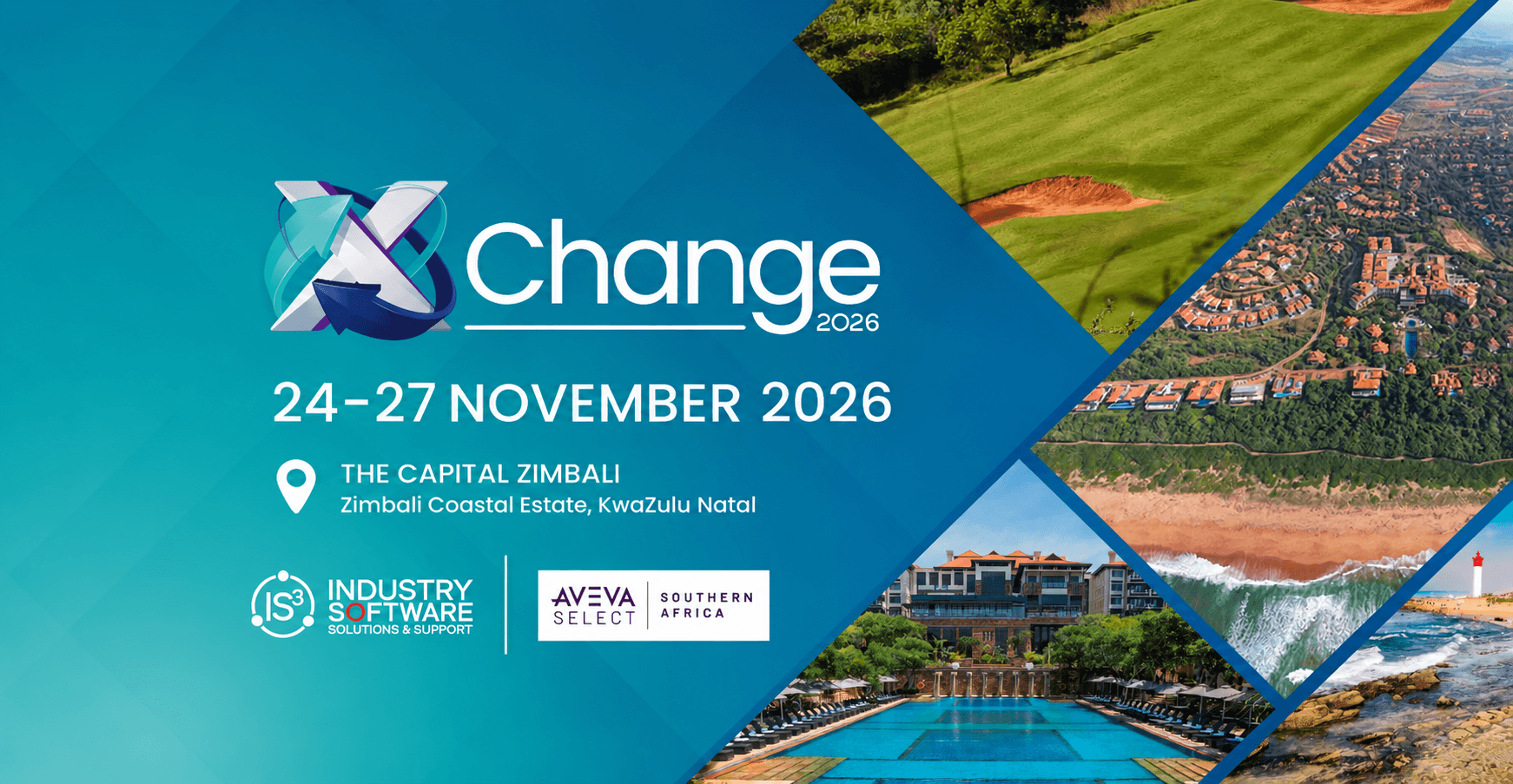
That’s one of the conversations at the centre of X-Change 2026, IS³’s flagship industrial software conference, running 24–27 November at Zimbali Coastal Estate, KwaZulu-Natal. Over four days, F&B operators, engineers and plant leaders from across the continent will get into the details of what systems and strategies are paying off on production lines.

Where The Pressure Is Building

Where The Pressure Is Building

Plant managers in food and beverage know where the friction is:

  • Traceability under pressure. From farm or factory gate through to distribution, regulators and retailers alike want faster, more complete answers about where a product has been. Manual, paper-based tracking can’t keep up with this way of working.
  • Cold chain and energy costs. Refrigeration and thermal processes are among the biggest line items on the utility bill, and every inefficiency compounds across a multi-site operation.
  • Disconnected systems. Many F&B plants still run on a patchwork of spreadsheets, standalone SCADA and legacy MES. It may be enough to keep the line moving, but it falls short in giving leadership a real-time, plant-wide picture.
  • A widening skills gap. As lines modernise, the people who can operate and interpret smarter systems are in short supply, and the skills required are shifting faster than training pipelines can keep pace.

None of these is solved by a single tool. They’re solved by connected data, and by people in the room who’ve already done the work of connecting it.

What You’ll Dig Into At X-Change

What You’ll Dig Into At X-Change

X-Change brings together a wide range of discussions, including AVEVA’s industrial software portfolio, with the practical experience of operators who’ve deployed it on real F&B lines. Expect sessions built around the questions your plant is actually asking:

  • End-to-end traceability — connecting raw material intake through to finished goods, so a recall or a retailer query is a five-minute lookup, not a week of manual reconciliation.
  • Energy and utilities optimisation — practical approaches to reducing the cost of refrigeration, steam and compressed air across multi-site cold chain operations.
  • Predictive maintenance — moving beyond scheduled downtime to catching equipment issues before they interrupt a production run.
  • Data unification across sites — bringing multiple facilities onto a single source of truth, so head office finally sees what the floor sees.

Alongside the main programme, dedicated roundtables give F&B delegates a space to compare notes with peers navigating the same cost, compliance and modernisation pressures.

X-Change 2026

Built For The People Who Run The Plant

This year, Zimbali sets the tone: a coastal setting built for real conversation, away from the noise of the day-to-day plant floor. Expect new and familiar faces from the IS³ ecosystem alongside industry peers happy to talk candidly about what worked, what didn’t, and what they’d do differently.

For teams looking to extend the relationship-building beyond the sessions, the X-Change Golf Day offers a chance to have engaging conversations on the green.

FAQs

Have questions about food and beverage manufacturing?
Explore answers on traceability, visibility, efficiency, maintenance and X-Change 2026.

What are the biggest challenges facing food and beverage manufacturers?

What are the biggest challenges facing food and beverage manufacturers?

Food and beverage manufacturers are dealing with rising input costs, supply chain pressure, tighter traceability and food safety requirements, high energy and utility costs, disconnected production systems and a growing skills gap. These pressures make real-time operational visibility increasingly important for maintaining quality, efficiency and reliable production.

How can food and beverage manufacturers improve production visibility?

How can food and beverage manufacturers improve production visibility?

Manufacturers can improve production visibility by connecting data from plant-floor systems, SCADA, MES and other operational sources into a more unified view of production. This gives plant teams and decision-makers faster access to reliable information about production performance, equipment and operations.

How can food manufacturers improve traceability?

How can food manufacturers improve traceability?

Food manufacturers can improve traceability by connecting information from raw-material intake through production and finished goods. This reduces reliance on manual and paper-based tracking and makes it easier to respond quickly to quality investigations, recalls and retailer queries.

How can food and beverage manufacturers reduce energy and utility costs?

How can food and beverage manufacturers reduce energy and utility costs?

Manufacturers can identify and address inefficiencies in areas such as refrigeration, steam and compressed air by using operational data to understand where and when utilities are being consumed. Improving visibility across these processes can support more informed decisions about energy and utility optimisation.

How can predictive maintenance reduce downtime in food and beverage manufacturing?

How can predictive maintenance reduce downtime in food and beverage manufacturing?

Predictive maintenance uses operational information to identify potential equipment problems before they cause unplanned production interruptions. This allows maintenance teams to move beyond fixed schedules and respond to emerging equipment issues before they affect production.

What is X-Change 2026 and who should attend?

What is X-Change 2026 and who should attend?

X-Change 2026 is IS³’s industrial software conference, taking place from 24-27 November 2026 at Zimbali Coastal Estate, KwaZulu-Natal. It brings together food and beverage operators, engineers, plant leaders and other industrial professionals to discuss practical approaches to challenges such as traceability, energy optimisation, predictive maintenance and data visibility.

Reserve Your Place

Standard, Bronze, Silver and Gold delegate tiers are open now, each offering a different level of exhibition presence and programme participation.

If your plant is wrestling with traceability, energy costs, or simply getting a straight answer out of your data, X-Change 2026 is where you’ll find the people who’ve already worked through it.

Don’t miss out.

Downloads

Speak to an IS³ Specialist

Have a food and beverage manufacturing challenge? Speak to our team about your operational needs and explore where we can help.

    Share Content: